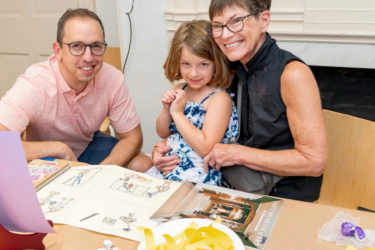
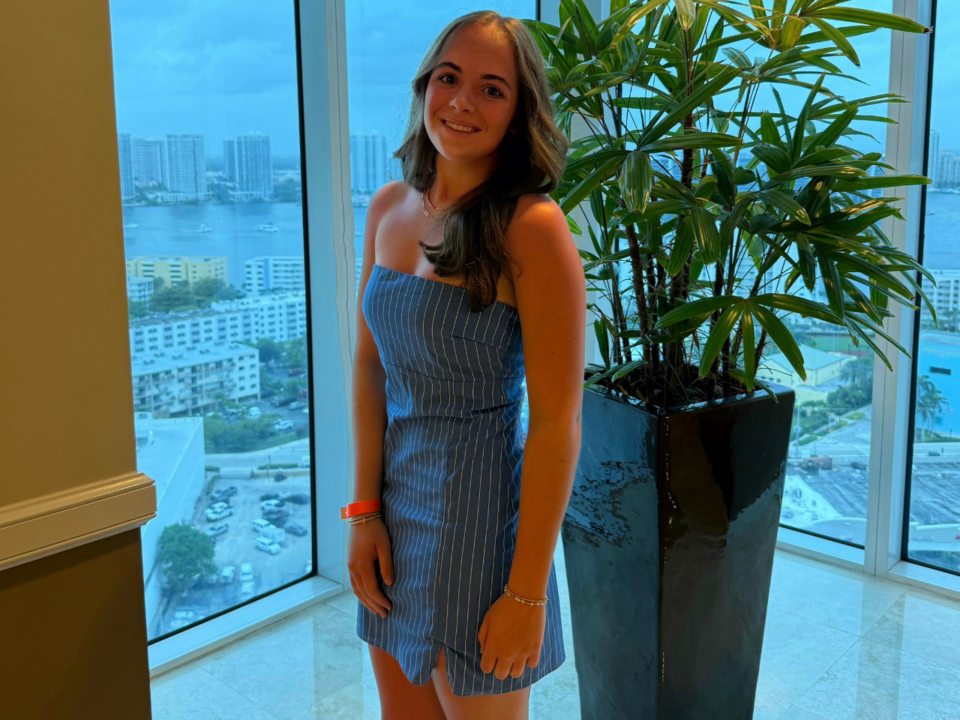
Getting to Know Jane Holbrook
The Stride for Safety 5K is coming up soon—the race will take place on April 25th at Winton Woods Park. This amazing 5K, which is great for runners, allergy families and the whole Cincinnati community, benefits FAACT (Food Allergy & Anaphylaxis Connection Team) to fund food allergy education and advocacy on a national scale. But did you know… it was organized by a teenager?! We had a chance to chat with Jane Holbrook to discover her why, learn more about FAACT, and dig into what support looks like. Read on to get to know the inspirational high school student and 5K organizer, Jane Holbrook…
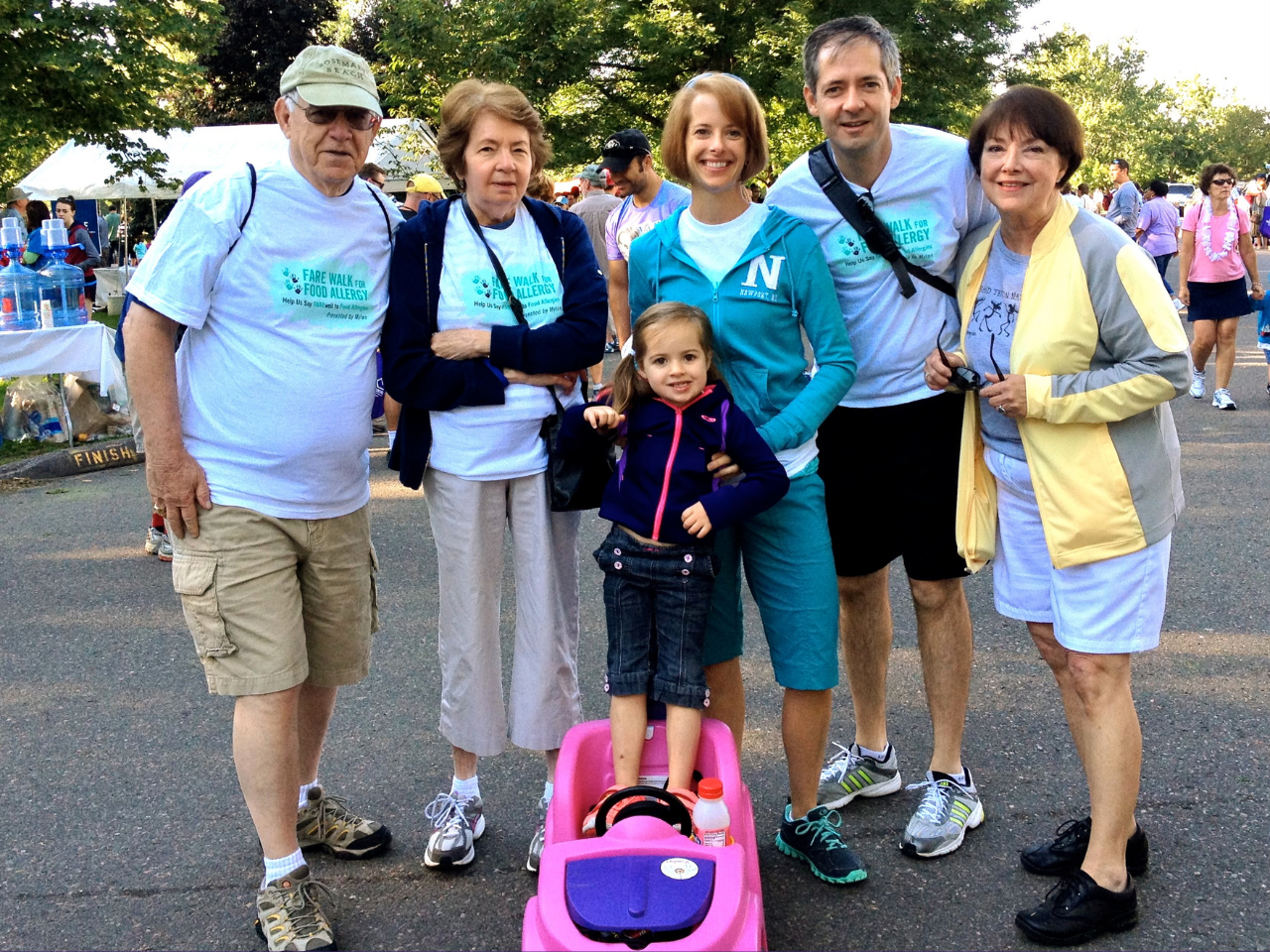
-Can you tell us about the who/what/when/where of the Strides for Safety 5K?
The Strides for Safety 5k will take place on April 25th at Winton Woods Park, and will offer a 5k timed race option and a 1-mile walk option. Check-in begins at 8:30am, the race begins at 10:00am, and the after party will take place at 10:45am. All race events will conclude at 12:00pm. Runners, families, groups, or any one from the greater Cincinnati community can signup on our website (https://runsignup.com/Race/
-How did you come up with the idea to create this fundraiser?
Growing up with life-threatening food allergies, a big part of the community that supported me was FAACT. Every summer, they host Camp TAG in cities like Cincinnati and Nashville, a week-long camp designed specifically for kids with food allergies. For many of us, traditional camps aren’t always safe, so Camp TAG creates an environment where everything, from the food to the activities, is carefully managed. All of the counselors are personally affected by food allergies, and it becomes a space where kids can just be kids. We spend the week doing everything from zip-lining to team games, while also learning how to manage our allergies confidently. I attended Camp TAG as a camper from ages five to twelve, and now I’ve come full circle as a counselor for the last 4 years. That experience shaped me, not just in how I manage my allergies, but in the friendships and confidence it gave me. Because of that, I wanted to find a meaningful way to give back to a community that had given so much to me. Creating the Strides for Safety 5K felt like the perfect way to do that. It brings together food allergy families and the broader Cincinnati community, not only to raise funds for FAACT, but also to build awareness and create a sense of support that extends beyond camp.
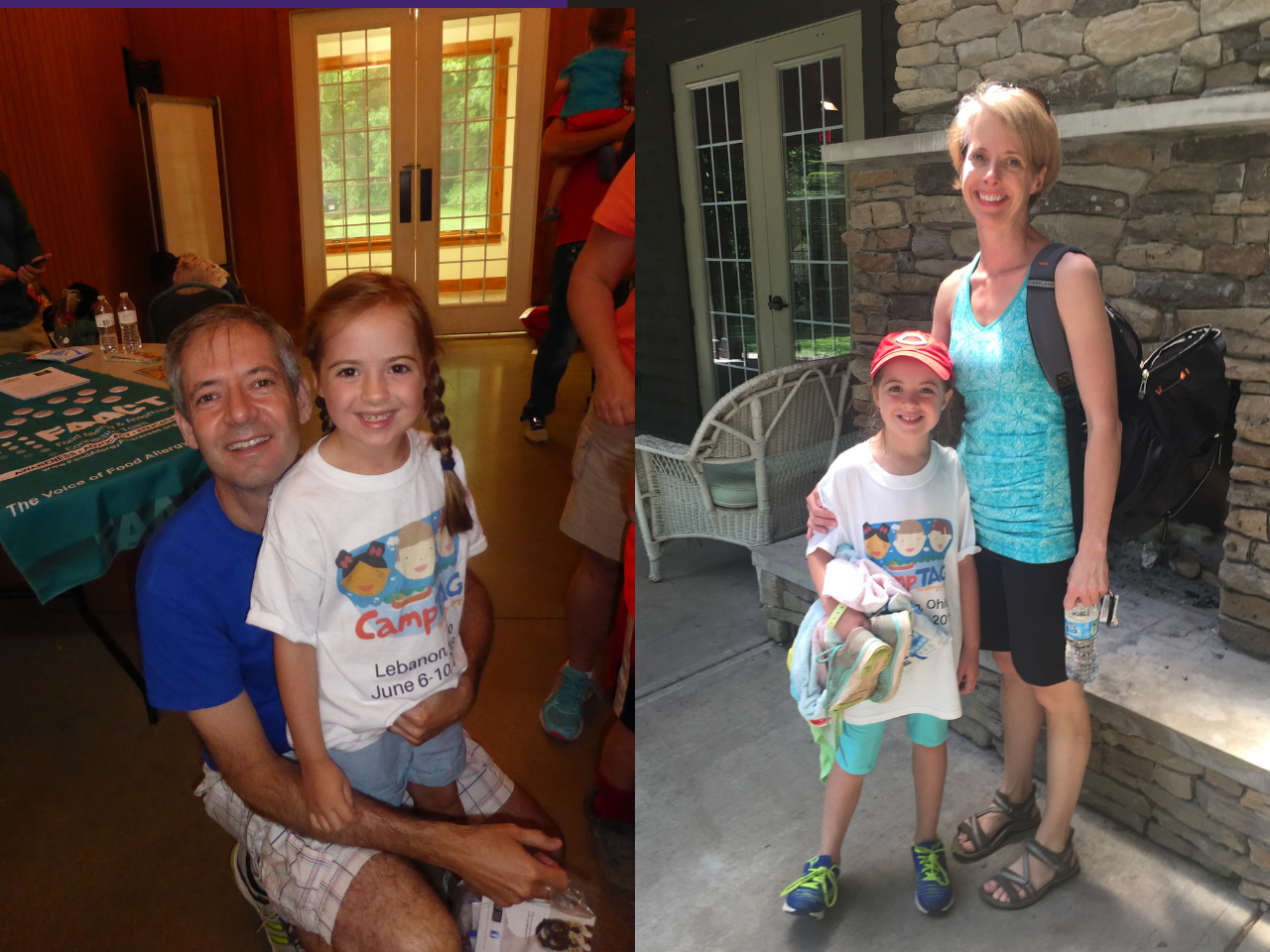
– If you feel comfortable telling us about your food allergy diagnoses, living with a food allergy, and your supports, we would love to hear about them!
I was diagnosed with life-threatening food allergies to eggs, peanuts, tree nuts, and a few other allergens when I was just five months old. For much of my early childhood, I was frequently in and out of the hospital dealing with allergic reactions and asthma. It was a stressful time, not just for me, but for my family. My mom especially worried about what my future would look like, even something as simple as whether I’d be able to safely go away to college one day.
Growing up, my allergies shaped almost every part of my life. At restaurants, I often couldn’t eat anything on the menu, so my mom would pack meals for me. When we traveled, we had to make sure we were always close to medical care in case of an emergency. Even at school, I sat at a designated allergy table during lunch. It was isolating at times, and it made everyday experiences feel limiting.
When I was nine, everything began to shift. My family learned about oral immunotherapy (OIT), a treatment that involves gradually introducing small, increasing amounts of an allergen to build tolerance. I started with peanuts, and it was a long and challenging process, three years of intermittent reactions, EpiPen use, and strict routines, like waiting hours after each dose before I could even exercise. But eventually, I passed my peanut challenge.
Even then, I felt frustrated because I still had multiple other severe allergies. That’s when my family found the SoCal Food Allergy Institute, which takes a more comprehensive and innovative approach. Their program allowed me to work on all of my allergens at once through a highly personalized plan. It required an intense commitment, traveling to California every nine weeks for treatment, and dosing multiple allergens daily at home. My meals weren’t always what I wanted; they were carefully measured doses, often difficult to eat and fit into a busy schedule.
After several years of that process, I graduated from the program in spring 2025. While I’m still technically allergic, I can now tolerate my allergens as long as I maintain regular exposure. Looking back, the journey was incredibly challenging, but it also changed my life. It gave me a level of freedom I didn’t have growing up, the ability to eat at restaurants, travel more easily, and feel confident going to any college without worrying about safe dining options.
While managing food allergies is still part of my daily life, it no longer defines my limits in the same way. And that perspective is a big part of why I care so deeply about supporting others in the food allergy community.
-How can friends and family members support a loved one who was recently diagnosed with a food allergy?
I think the biggest thing friends and family can do is educate themselves and be willing to adapt. When someone is newly diagnosed with a food allergy, it can feel overwhelming, so having people around them who understand what that actually means makes a huge difference. That starts with learning the basics: what foods to avoid, what symptoms of a reaction look like, and, most importantly, how to respond in an emergency. Knowing how to use an EpiPen, when to call for help, and how to act quickly can truly be life-saving.
Beyond that, support shows up in everyday actions. Creating a safe environment is incredibly important. That might mean adjusting how meals are prepared at home, choosing allergy-friendly ingredients, or being mindful about cross-contamination. Even small efforts, like making sure there’s always something safe for that person to eat, can go a long way in making them feel included and cared for.
Finally, I think it’s about empathy and shared experience. One thing my mom always said growing up was, “If you can’t eat it, I won’t either.” That mindset made me feel supported rather than singled out. Whether it’s at a restaurant, a party, or at home, those choices show that you’re not just aware of their allergy, you’re actively standing with them. And for someone navigating a new diagnosis, that kind of support can make all the difference.
-For a family with a new diagnosis, what tips would you share from your own experience?
For families navigating a new diagnosis, I always think about it as a three-step approach: research, educate, and plan. It can feel overwhelming at first because there are so many unknowns, but breaking it down into those steps makes it much more manageable.
The first step is research. Take time to understand the diagnosis and explore your options. Depending on the allergy, there may be treatments like oral immunotherapy (OIT) that can help build tolerance over time or Xolair which can reduce risk of allergic reactions. Every situation is different, but learning what’s out there and what could work for your family is an important starting point.
The second step is education. This means making sure not just the immediate family, but also friends, teachers, and caregivers understand the allergy. Everyone should know how to recognize symptoms of a reaction and how to respond, including how to use an EpiPen. It’s also helpful to learn about safe foods and alternatives—there are more allergy-friendly products available now than ever before, and finding those can make everyday life much easier.
The third step is planning. Having a clear, consistent plan in place creates a sense of control and safety. For us, that meant always carrying a bag with essentials like EpiPens, an inhaler, and antihistamines, and having a step-by-step action plan for different levels of reactions. Everyone around me knew what to do in an emergency, which made a huge difference.
And beyond all of that, I think one of the most important things is to not let the diagnosis limit your life. It’s natural to feel cautious at first, but over time, you realize there are ways to safely navigate restaurants, travel, and new experiences. With the right support and preparation, food allergies don’t have to define what you can and can’t do.
-Can you tell us about FAACT?
FAACT is a national nonprofit organization that serves as a comprehensive support system for individuals and families living with food allergies. What makes FAACT especially impactful is the breadth of its work, it combines education, advocacy, community-building, and industry collaboration all in one place.
At its core, FAACT is backed by a strong leadership structure, including a medical advisory board, board of directors, inclusion advisory board, spokespersons, and many company sponsors. Together, they help ensure that everything FAACT provides is both medically accurate and accessible. Their website acts as a central hub for food allergy education, offering resources on everything from recognizing reactions to navigating daily life, as well as updates on state-level legislation and advocacy efforts.
FAACT also places a strong emphasis on community and connection. They offer support groups for families, as well as leadership opportunities for teens, such as their Teen Retreat, where participants build confidence, learn how to manage their allergies independently, and connect with others who share similar experiences. They’ve also developed educational tools for schools, including food allergy curriculum programs and classroom resources, to help create safer environments for students.
Another major focus is improving safety and inclusion in broader systems, especially in food service. FAACT provides resources for navigating college and university dining, and through initiatives like the AllerTrain™ suite, they help train restaurants and food service providers on how to safely accommodate individuals with food allergies.
In addition, FAACT hosts a wide range of events and programs that bring the community together and push the conversation forward. These include Camp TAG for kids, the FAACT Allergy Summit, the Global Food Industry & Research Summit, and other initiatives that connect families, professionals, and industry leaders.
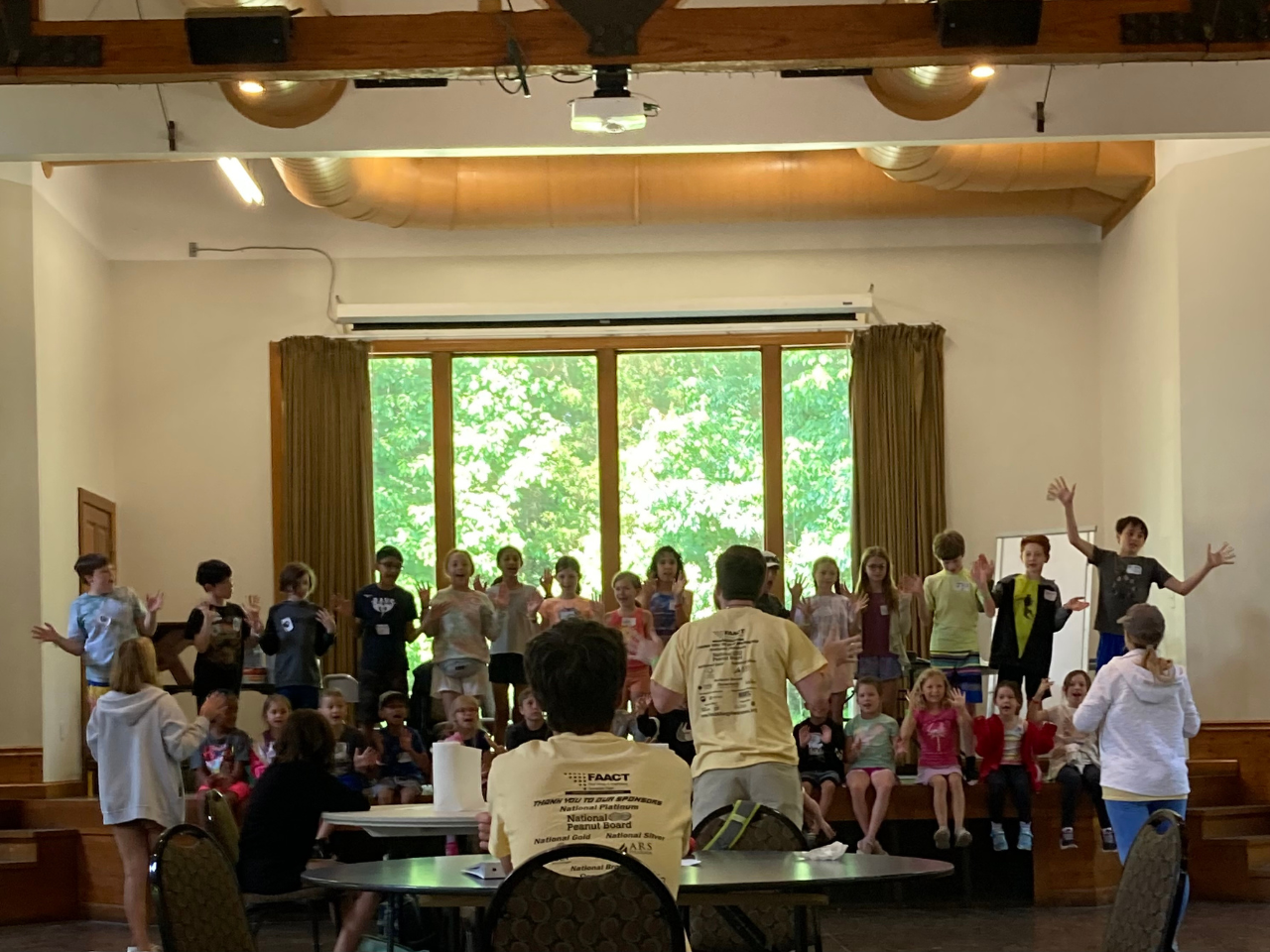
–Can you tell us about the FAACT summer camp?
The FAACT summer camp, Camp TAG, is such a unique and impactful program because it creates a space where kids with food allergies can just be kids, without constantly worrying about their safety. Camp TAG was actually created because families couldn’t find traditional camps that could safely accommodate children with severe allergies, so it was designed specifically to meet those needs while still giving kids a full camp experience .
From a personal perspective, Camp TAG has meant so much to me. When I was younger, it was one of the first places where my food allergies felt normal instead of limiting. As a camper, I was able to meet other kids who understood exactly what I was going through, and that alone was incredibly empowering. The camp does a great job balancing fun and education. We’d spend our days doing typical camp activities like swimming, canoeing, zip-lining, and team games, but we’d also have dedicated time to learn about food allergy safety, handling situations like bullying, and how to advocate for ourselves.
One of the most memorable parts is how interactive that learning is. There’s a daily education and snack session with allergy-friendly foods, and campers learn directly from teen counselors, something I lead now. A highlight every year is the Thursday skit, where groups act out real-life scenarios, like navigating a birthday party with food allergies, and show how to handle them safely and confidently.
Now, as a teen counselor, I’ve been able to come full circle. I get to mentor younger campers, help them feel comfortable and confident, and show them that their allergies don’t have to hold them back. For many kids, especially those with multiple or severe allergies, Camp TAG is one of the only places they can experience a traditional camp environment safely. It’s more than just a camp; it’s a community where kids build confidence, independence, and lifelong friendships.
-What are your goals for the future?
Looking ahead, I’m really excited about continuing my academic and professional path in law and public policy. I plan to study public policy and French in college while pursuing a pre-law track, with the long-term goal of attending law school and becoming either an international or policy-focused lawyer. I’m especially interested in how legal systems and policy decisions shape everyday life, and how they can be used to create meaningful change.
A lot of my experiences so far have pointed me in that direction. Through things like mock trial, youth court, SpeakUP, a public speaking non-profit I founded, and my broader work in advocacy and research, I’ve developed a strong interest in law and using my voice to address real-world issues. I’m drawn to work that sits at the intersection of law, policy, and government.
In the more immediate future, I’m focused on finishing my junior year at Indian Hill High School and continuing to grow as a student and leader, going into my senior year next year (kind of crazy I’m going to be a senior 🙂 After that, I’m hoping to attend a top university where I can challenge myself academically while also getting involved in policy research, advocacy, and international studies opportunities. Ultimately, I want to build a career where I can combine my interests in law, communication, and global issues to make a meaningful impact.
-Anything else you would like to share, we are all ears 🙂
I’m just super excited and grateful for the opportunity to be featured in your magazine, and I hope this editorial will not only inform families about the race, but hopefully reach some food allergy families who can learn a little about opportunities or just general tips from my experience.