
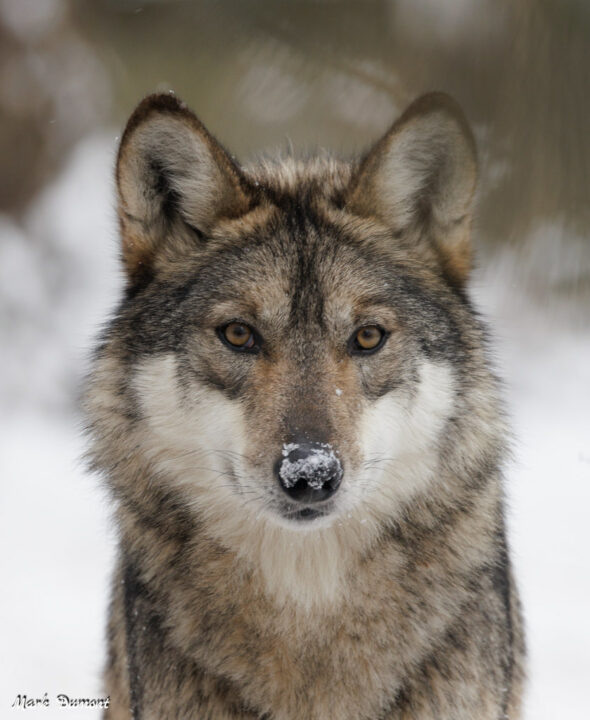
Cool Cincinnati Zoo Animals
The Festival of Lights at the Cincinnati Zoo & Botanical Garden is a wonderful winter attraction to visit during chilly December evenings. But! If you get to the zoo a little bit early, you just might be able to see some cool animals enjoying the wonderful winter weather. Be sure to check in on these five fabulous animal friends at the Cincinnati Zoo during your cold weather visit.

Snow Leopard – Snow leopards are true winter survivors! Their thick, woolly coats and wide, fur-covered paws act like natural snowshoes, while their long, fluffy tails help them balance on rocky slopes — and double as cozy scarves when they curl up to rest.
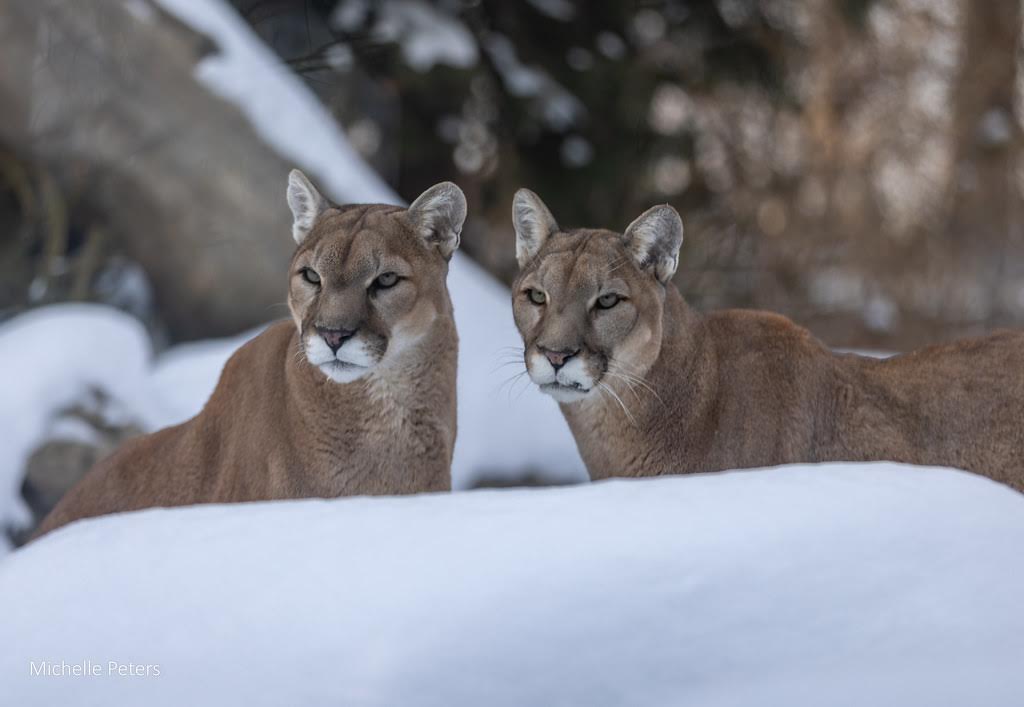
Cougars – Joseph and Tecumseh are 15-year- old brothers who live at the Cincinnati Zoo. The cougar is known by many different names, including mountain lion, puma, and panther.
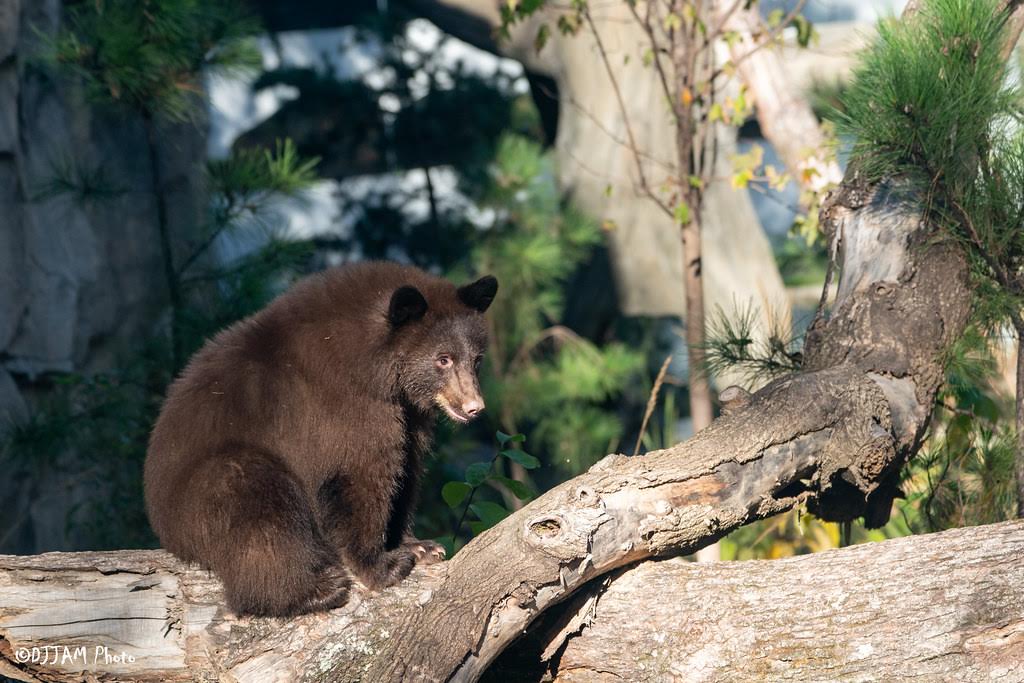
Black Bears – Hazel & Juniper are 8-month-old orphaned black bear cubs that recently arrived at the Cincinnati Zoo. Black bears are busy this time of year — eating as much as they can before heading to their cozy winter dens! During hibernation, they can go months without eating, drinking, or even waking up for long stretches.

Bald Eagle – All 5 of the bald eagles that reside at the Cincinnati Zoo were injured in the wild and were unable to be released after rehabilitation due to their injuries. Many people don’t know that because bald eagles are federally protected that it is actually illegal to keep any part of a bald eagle, even a feather, without a special permit.

Mexican Wolf – Mexican wolves were once a prolific species that became extinct in the United States by 1970 due to large scale predator extermination programs. The Cincinnati Zoo & Botanical Garden has committed to building new, off-site enclosures to support Mexican wolf breeding and reintroduction efforts happening across 60 animal care facilities in partnership with the U.S. Fish and Wildlife Service. The extra space will be critical in furthering the success of this ongoing work, which as of a 2024 census has resulted in over 300 Mexican wolves living in the wild throughout New Mexico, Arizona, and Chihuahua.
Learn more about the Festival of Lights, zoo animals and
grab your tickets in advance by clicking here.